“The world has suddenly become plant conscious,” says legendary broadcaster Sir David Attenborough. “There has been a revolution worldwide in attitudes towards the natural world in my lifetime. An awakening and an awareness of how important the natural world is to us all.”1 But it isn’t necessary to live in the natural world in order to feel closer to it. Here are 10 ways to become more connected with our green planet in our day-to-day lives.
1. Taking a Daily Walk to a Green Space
Talking a walk is good for physical health – and doing so in a green space also has a positive effect on mental health. A study carried out by Denmark’s University of Aarhus found that having access to green spaces in childhood lowers the chances of developing psychiatric conditions later in life.2 The research indicated that those with the least access to parks and forests had a 55 percent greater chance of developing depression, anxiety, and substance abuse. And making the most of green spaces brings larger benefits . The “psychological restoration” that they offer is found to be greater for those who spend more time there.3
2. Potting Some Plants
Of course, for some people that may not be easy. In Great Britain, for example, a 2025 survey found that 2.8 million people were not within easy walking distance of a green space.4 So why not bring the greenery – and all its benefits – indoors?5 Houseplants are shown to help improve moods, reduce stress, and even lower fatigue and headaches by 20-25 percent according to one study.6
They can also be used to help lift indoor environments. Ideal for bedrooms are Mother-inlaw’s tongue, which gives off oxygen at night, while damp areas such as bathrooms will benefit from peace lilies and Boston ferns that reduce mould spores in the air.7 A clean air study carried out by NASA scientists also listed Areca palm and Bamboo palm for their oxygen-producing and air-purifying qualities.8
3. Building an Indoor Herb Garden
Indoor greenery can be used to add to dinners – provided it’s from an indoor herb garden, that is. It’s also an engaging learning experience for children, by providing them with a 9 practical way to learn about plants. If pizza is a household favourite, then a pizza herb garden of basil, parsley, and oregano fits the bill. Basil in particular is one of the easiest herbs to grow indoors and smells great, too. It loves sunlight, temperatures that average around 21 Celsius (70 Fahrenheit) or higher, and water when the soil gets dry.10
As with houseplants, tending to herb gardens can help to reduce stress and improve general mental health.11 And let’s not forget the advantage of always having fresh herbs available – a tasty way to connect with the green world, every day.12
4. Experimenting with Plant-based Recipes
Climate change is a major threat to our green planet and – globally – livestock farming accounts for a significant amount of greenhouse gas emissions. Researchers from Leiden University in The Netherlands found that adapting our diets to some meat but a lot of vegetables could change all that. They say that this – plus the re-wilding of farmland – would mean that one hundred billion tons of carbon dioxide could be removed from the air by the end of the century.13
So, plant-based recipes are good for the planet – and healthy, too. Using vegetables that cover the full colours of the rainbow ensures consumption of a healthy range of antioxidants and nutrients.14
5. Plant Spotting
To get a good idea of the breadth of plant life all around, see how many different varieties there are on a walk in a green space – or even in an urban one.15 “There’s life everywhere, but it is so easy to miss it,” says Leanne Manchester of the Wildlife Trust. “Instead, slow down, stop and notice it.”16
There are plenty of nature identification apps to help, including PlantNet, LeafSnap, and PlantSnap.17 Ones like the iNaturalist app also contribute to scientific research by sharing user findings with organisations such as the Global Biodiversity Information Facility (GBIF).18
6. Foraging
Foraging may not be for everyone, but chef and author Ollie Hunter is a keen advocate. “You’re getting into the countryside,” he says, “engaging with nature and the community, and finding food that has a different flavour.”20 There’s even urban foraging, from London to San Francisco to Copenhagen.21
But it’s important to research and check that what’s being picked is edible! Sites such as woodlandtrust.org or wildfooduk.com can help – and there are organisations that offer foraging courses, both rural and urban. They inspire an understanding of the profusion of food all around.
7. Growing Your Own
But foraging isn’t for everyone. If the space is available, it’s possible to get closer to the edible green world by “growing your own”. There’s abundance of help online for newbie gardeners, such as this from Gardeners’ World.
If space is tight, there are guides for what to grow in pots22 – or on windowsills, if there aren’t any outdoor areas accessible. What could be better than having fresh veg within easy reach of the chopping board?23
8. Getting to Know Your Local Flowers
Flowers can be admired in green spaces, or bought to brighten up home interiors, too. Those grown in the vicinity will last longer and are always what is in season, which is a great way to learn what is grown locally and when.24
It also keeps down those all-important carbon footprints. About 80 percent of fresh flowers sold in the US and Canada are imported,25 81% in Germany,26 and in the UK this figure is nearer 90 percent.27 That’s a lot of air miles and a lot of carbon added to the atmosphere, when there’s beauty right on your doorstep.
9. Growing Native Species
Of course, anyone with a garden can grow their own flowers. Annuals (ones that die off every year) are some of the easiest – they produce more flowers after cutting – and there are plenty of gardening guides available, online.28
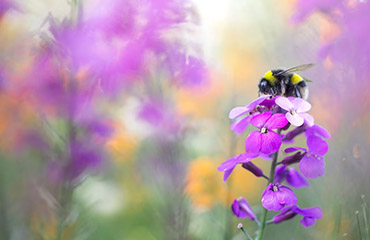
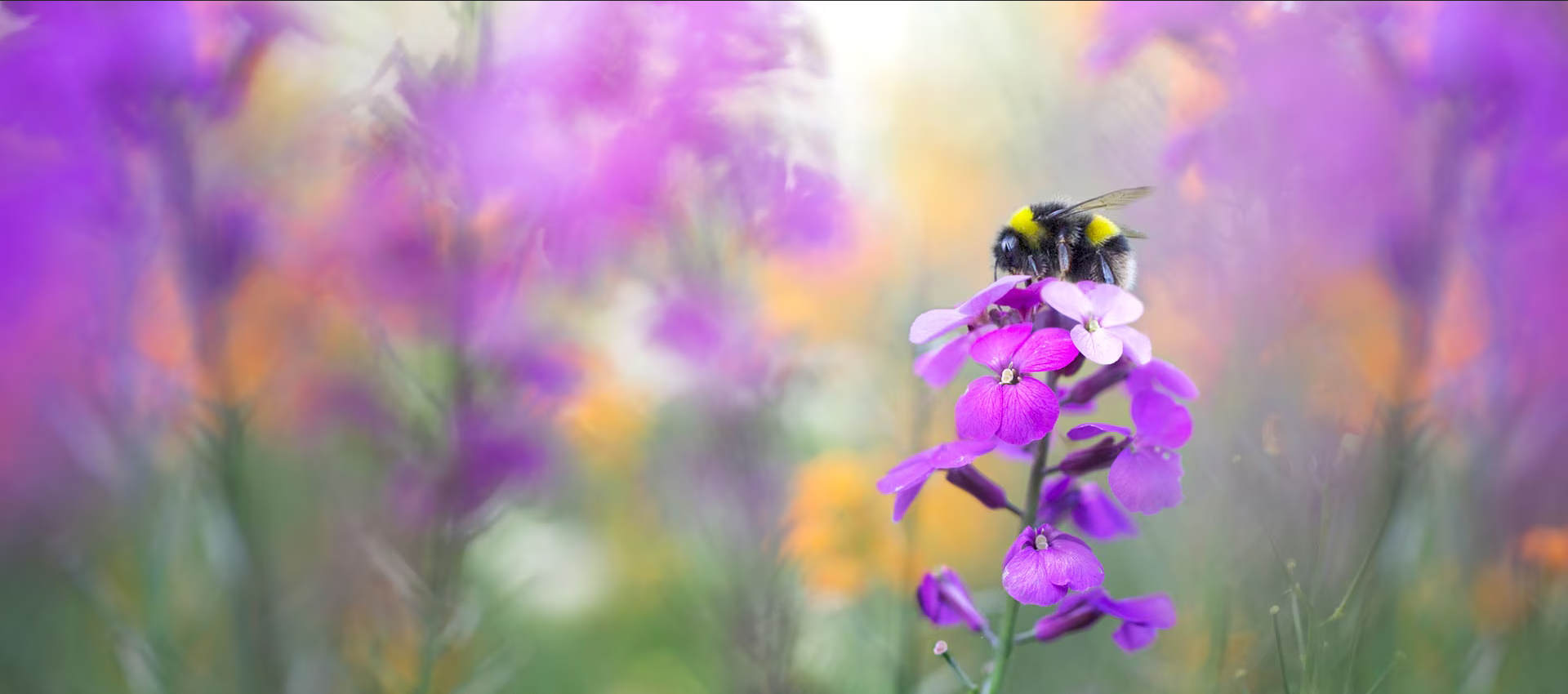
Native species will support more regional animals and insects,29 including one of the great pollinators: bees. Honeybees visit only one type of flower at a time, so each trip needs to be worth their while. “Plant large clumps or ‘drifts’ of single species and optimise each of the bees’ trips,”30 says Sarah Wyndham Lewis, co-founder of the sustainable beekeeping practice Bermondsey Street Bees.31
And if all this sounds like hard work, there is the option to just sit back and let the grass grow wild instead. When wildflowers grow, it’s good for the bees – and provides a refuge for other insects, too.32
10. How Green is the Bathroom?
And once all the walking, foraging, potting, and gardening is out of the way, a good shower or bath is probably called for, before the cooking begins. And what better way to get closer to nature than by scrubbing or soaking in it, with some plant-based toiletries?
There’s shower gel made from grapefruit seed extract, bubble bath from mango butter and coconut oil – even pomegranate toothpaste and biodegradable bamboo toothbrushes!